Understanding Florida's New Milestone Inspection Requirements
A Milestone Inspection is a Florida-mandated, two-phase structural review required for condominium and cooperative buildings three stories or higher. The first inspection is due at the building's 25th or 30th birthday and recurs every 10 years. Phase 1 is a visual inspection by a licensed engineer; Phase 2 is only triggered if substantial structural deterioration is observed.

Florida Senate Bill 4D, passed in the wake of the Surfside collapse, fundamentally changed how aging multi-story buildings are maintained across the state. For condominium and cooperative associations, the most visible change is the introduction of the Milestone Inspection — a mandatory, engineer-sealed structural review triggered by the building's age.
What is a Milestone Inspection?
A Milestone Inspection is a structural review of a building's primary load-bearing components — foundations, columns, beams, slabs, balconies, and exterior load-bearing walls — performed by a Florida-licensed Professional Engineer or registered architect. The inspection produces a sealed report that is filed with the local building official and shared with the association.
When is the first inspection due?
For most buildings, the first Milestone Inspection is due by the 30th anniversary of the certificate of occupancy. Buildings located within three miles of the coastline must complete the first inspection at 25 years. After the initial inspection, recurring inspections are required every 10 years.
Phase 1 vs Phase 2: what's the difference?
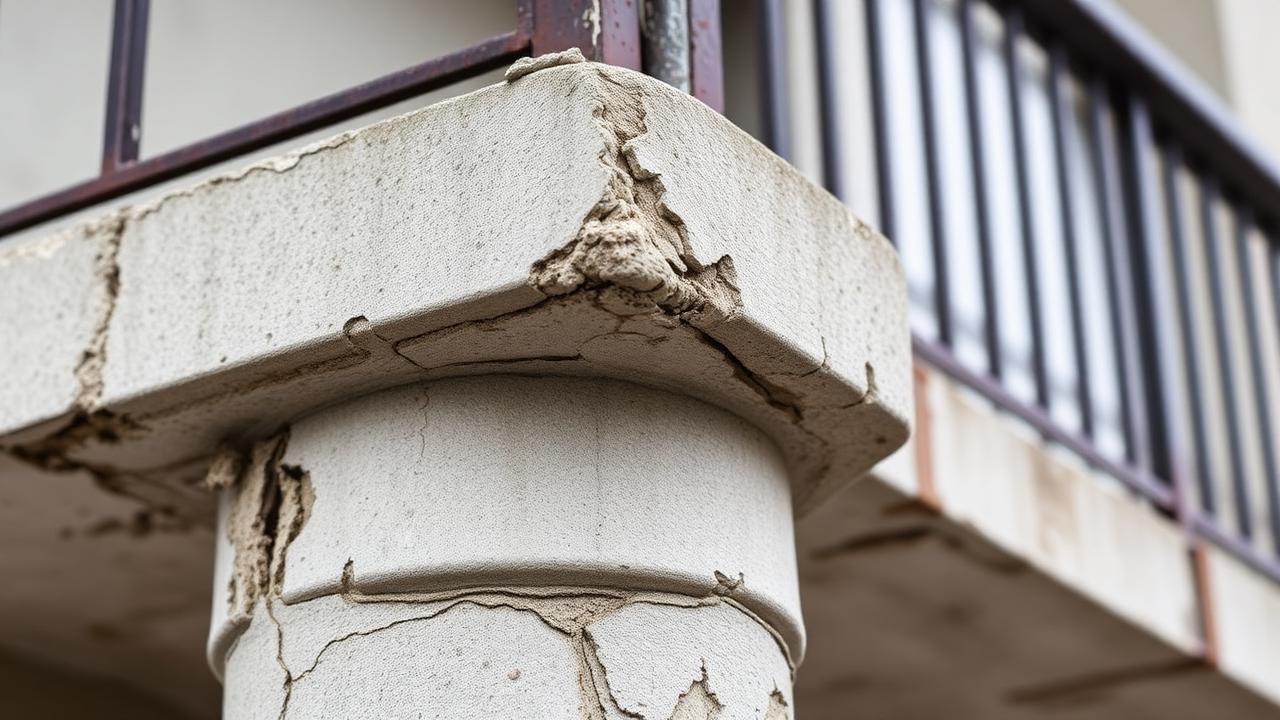
Phase 1 is a thorough visual inspection of the primary structural systems. The engineer looks for cracking, spalling, corrosion staining, deflection, water intrusion damage, and any other observable signs of structural distress. If no substantial structural deterioration is found, the inspection ends at Phase 1 and the engineer files a sealed report.
Phase 2 is only triggered when Phase 1 identifies substantial structural deterioration. It involves more invasive techniques — selective material removal, instrumented testing, petrographic analysis, ground-penetrating radar, or post-tension tendon inspection — to characterize the extent and severity of the damage and to recommend engineered repairs.
What does the report include?
- A description of the building and its primary structural systems
- A summary of the visual inspection methodology
- Findings, including photographs of any observed conditions
- An opinion as to whether substantial structural deterioration exists
- Recommendations for any required repairs or further investigation
- The engineer's seal, signature, and license number
How should associations prepare?
- Locate prior structural reports, original drawings, and maintenance records.
- Notify residents of the upcoming inspection and any anticipated access needs.
- Engage a licensed engineer experienced with SB 4D and your jurisdiction.
- Coordinate the inspection with any planned SIRS work — the two studies are complementary.
- Budget for potential Phase 2 work even when not anticipated.
How does the Milestone Inspection relate to the SIRS?
The Milestone Inspection and the Structural Integrity Reserve Study (SIRS) are separate but related obligations. The Milestone Inspection asks 'is the building structurally sound today?' The SIRS asks 'how much should the association be reserving to keep it that way?' Most associations engage a single firm to perform both in coordination, reducing cost and improving consistency of findings.
"The associations that fare best under SB 4D are the ones that treat the Milestone Inspection as a planning tool, not a paperwork burden."
What happens if substantial structural deterioration is found?
The engineer is required to disclose the finding to the association, the building official, and (in some cases) the unit owners. Repairs must be performed under the seal of a licensed engineer and on a timeline determined by the severity of the finding. Boards should consult with legal counsel and their insurer as soon as a Phase 2 trigger is reported.
Frequently Asked Questions
- Who can sign and seal a Milestone Inspection report?
- Only a Florida-licensed Professional Engineer or registered architect can sign and seal the report.
- How long does a Milestone Inspection take?
- A typical Phase 1 inspection takes one to three days on site for a mid-rise building, with the sealed report delivered in two to four weeks.
- Does every balcony have to be inspected?
- The engineer must inspect a representative sample of balconies sufficient to render an opinion on the structural condition of the system. Where deterioration is observed, additional inspections are typically warranted.
Related Services
Milestone Inspections (MI)
Florida-mandated Milestone Inspection services for condos and multi-story buildings under SB 4D.
Learn more Building Compliance & InspectionsStructural Integrity Reserve Studies (SIRS)
Defensible SIRS reports for Florida condominium and cooperative associations.
Learn more Building Compliance & InspectionsBuilding Recertifications
40-year and 10-year structural and electrical recertification, PE-sealed and ready for your building department.
Learn moreRelated Posts

What is a Structural Integrity Reserve Study (SIRS) and Do You Need One?
Read more about What is a Structural Integrity Reserve Study (SIRS) and Do You Need One?
The Importance of 40-Year Building Recertification
Read more about The Importance of 40-Year Building Recertification