
The Importance of 40-Year Building Recertification
The 40-year recertification program is a Miami-Dade and Broward County requirement that aging buildings be re-inspected and certified as structurally and electrically safe for continued occupancy. The first recertification is due at 40 years of age and recurs every 10 years thereafter.
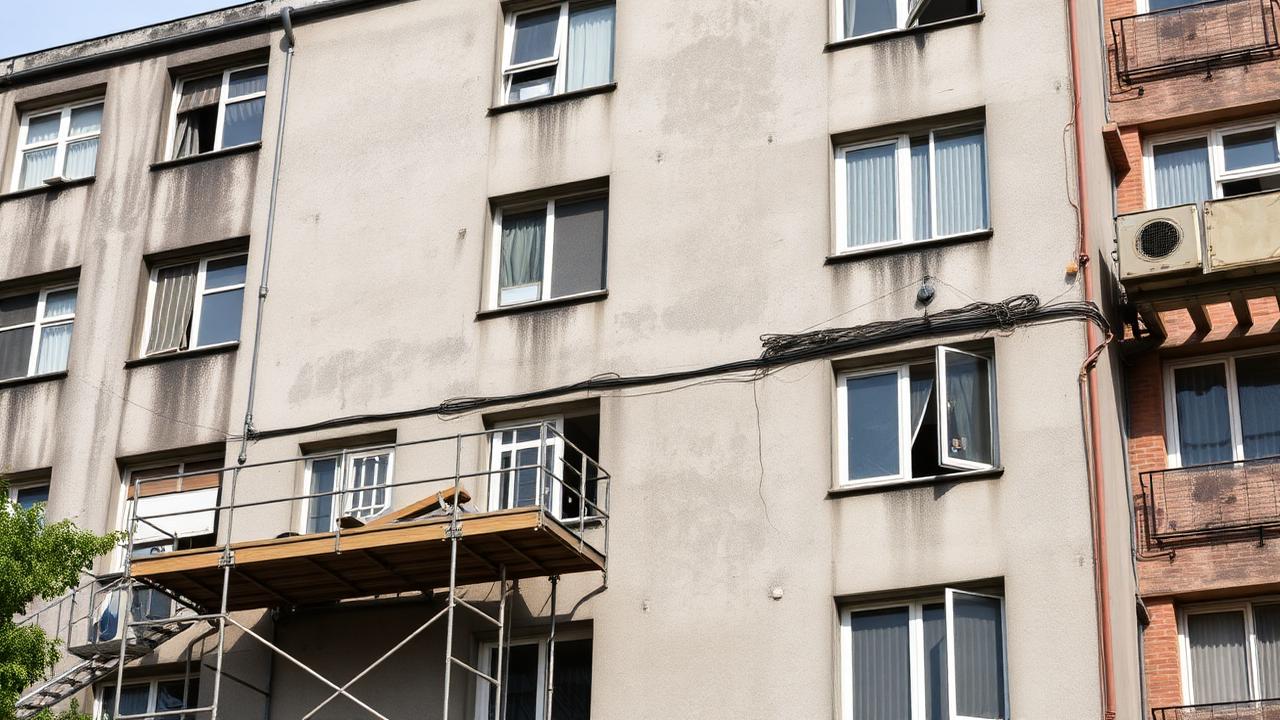
South Florida's 40-year recertification program is one of the oldest building safety regulations in the United States. For owners of aging multi-family and commercial buildings in Miami-Dade and Broward counties, recertification is not optional — and the consequences of letting it lapse are significant.
What is 40-year recertification?
Recertification is a formal evaluation by a licensed structural engineer and a licensed electrical engineer that certifies an aging building as safe for continued occupancy. The first recertification is required at 40 years of age, with recurring recertification every 10 years thereafter.
Why does it matter?
The recertification process identifies deterioration that may not be visible to owners or property managers — corroded reinforcing steel, spalling concrete, compromised electrical systems, or failing waterproofing. Caught early, these issues are repairable. Left unaddressed, they escalate into life-safety problems and far more expensive remediation.
What does the inspection cover?
- Foundation and visible structural elements
- Roofing systems and roof framing
- Floor systems, columns, beams, and load-bearing walls
- Exterior walls and balconies
- Electrical service, panels, branch circuits, and grounding
- Emergency lighting and exit signage
Common findings
On a typical 40-year-old South Florida building, our engineers commonly observe concrete spalling on balcony slabs and columns, corrosion of post-tensioning anchorages, deteriorated waterproofing at planter boxes and roof decks, and outdated electrical panels that no longer meet modern fault-current ratings. Each finding is documented with photographs and engineered repair recommendations.
How to prepare
- Locate original drawings, prior inspection reports, and permit history.
- Walk the property with maintenance staff and note any visible deterioration.
- Engage a licensed engineering firm early — the building department's notice period is shorter than most boards expect.
- Coordinate the recertification with any planned Milestone Inspection or SIRS work.
Frequently Asked Questions
- What happens if we miss the recertification deadline?
- The building official can issue a notice of violation, levy fines, and in extreme cases declare the building unsafe for occupancy. Insurers may also deny coverage on lapsed buildings.
- How long does the process take?
- A straightforward recertification can be completed in four to six weeks. Timelines extend significantly if repairs are required before certification can be issued.
- Can repairs be phased?
- Yes — engineered repair packages are often phased to manage cost and resident disruption, with the certification issued upon completion of the life-safety scope first.
Related Services
Building Recertifications
40-year and 10-year structural and electrical recertification, PE-sealed and ready for your building department.
Learn more Building Compliance & InspectionsMilestone Inspections (MI)
Florida-mandated Milestone Inspection services for condos and multi-story buildings under SB 4D.
Learn more Structural Assessment, Restoration & RepairStructural Conditions Assessments
Comprehensive structural evaluations by licensed engineers.
Learn moreRelated Posts
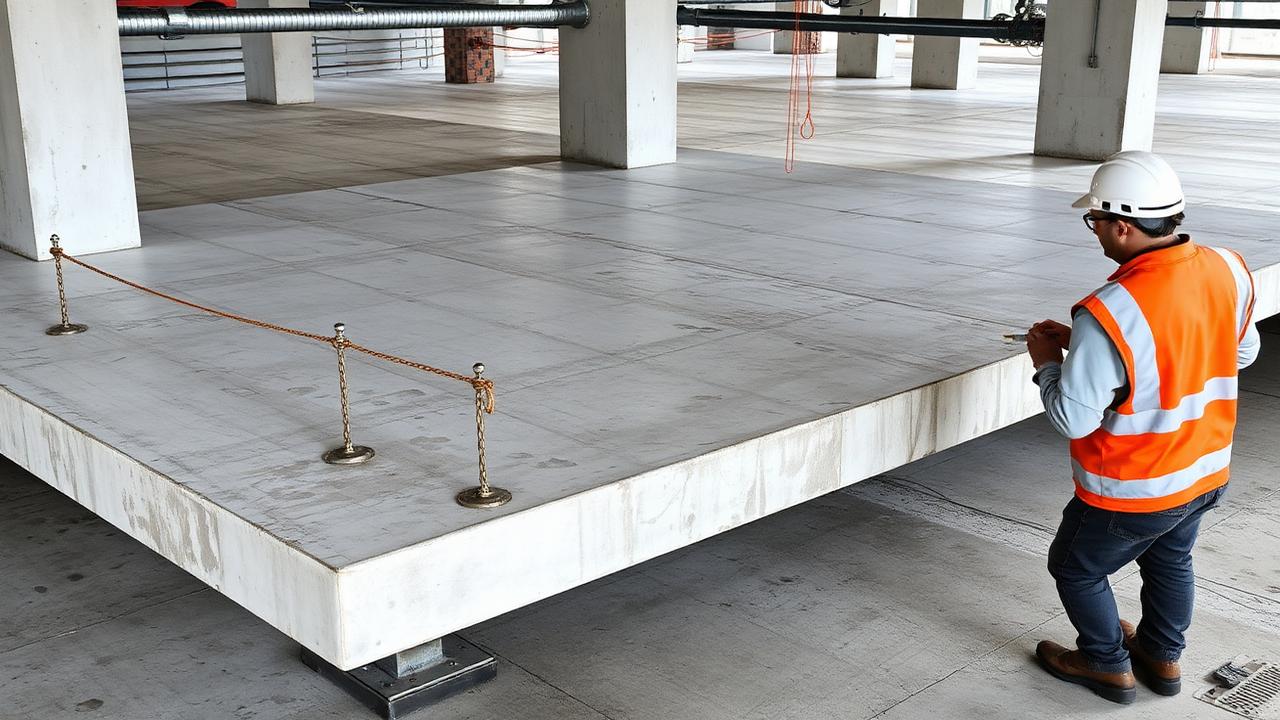
Post-Tensioned Slabs: Inspection Best Practices
Read more about Post-Tensioned Slabs: Inspection Best Practices
Understanding Florida's New Milestone Inspection Requirements
Read more about Understanding Florida's New Milestone Inspection Requirements